Coffee Retro Wavy SVG: A Designer’s Review
As a designer who spends half my life staring at stitch simulations and the other half wrestling with hoop tension, I have learned to be skeptical of trendy digital assets. We see thousands of files pass through our libraries, but few actually translate well from screen to fabric. Recently, I pulled up the Coffee Retro Wavy Svg Sublimation design to evaluate its potential for real-world application. While marketed primarily for sublimation on mugs and shirts, my interest lies in how these vector shapes hold up when translated into thread. Can a graphic designed for heat transfer survive the mechanical demands of an embroidery machine? Let’s break it down.
First Impressions: Mood and Visual Personality
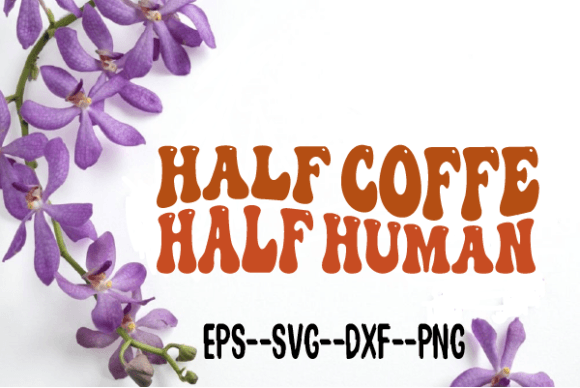
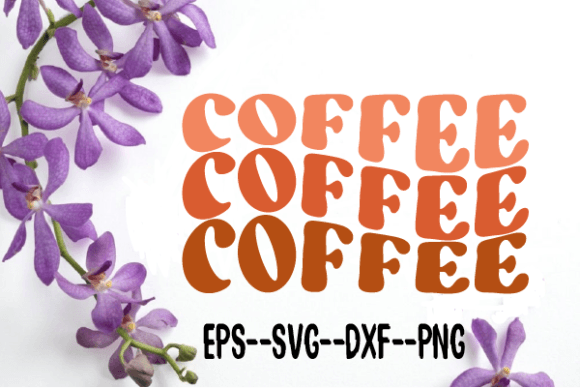
The first thing that strikes you about this design is its undeniable nostalgia. The wavy typography paired with coffee imagery taps directly into the current retro aesthetic that dominates boutique home goods and casual apparel. It feels warm, inviting, and slightly playful. For an embroidery project, this mood is crucial. You are not just stitching a logo; you are stitching a feeling. The layout is balanced, with curves that suggest movement rather than static rigidity. This organic flow is promising for thread work because rigid, boxy designs often look stiff when stitched out, whereas curved lines allow the thread to lay more naturally against the fabric grain.
However, we must address the file format reality. The product description notes that you will receive DXF, EPS, and SVG files. These are vector graphics formats, ideal for cutting machines like Cricut or Silhouette, and for sublimation printing. They are not native embroidery files like PES or DST. This means if you intend to use this as a machine embroidery design, you will need to digitize it yourself or hire a digitizer. This is not a drawback if you are a skilled digitizer, but it is a critical distinction for hobbyists expecting a plug-and-play embroidery file.
Real-World Application: From Screen to Stitch
Let’s imagine a practical scenario. I am preparing a custom order for a local café that wants branded merchandise. They love the retro vibe of the Coffee Retro Wavy Svg Sublimation graphic. Instead of sublimating it onto a polyester mug, I decide to test its viability as an embroidered patch for canvas tote bags. This is where the designer’s eye must take over.
The wavy text presents a challenge and an opportunity. In sublimation, the ink sits flat on the surface. In embroidery, the thread has height and texture. If I were to digitize this SVG, I would likely opt for a satin stitch for the thinner elements of the waves to maintain sharpness, while using a fill stitch for any larger solid areas, such as the coffee cup icon if it contains broad spaces. The key here is managing stitch density. If the design is too dense, the fabric will pucker, especially on a lightweight cotton tote. If it is too sparse, the backing will show through, ruining the professional look of the handmade product.
For a sweatshirt embroidery project, this design could shine. The thick, fuzzy texture of fleece can hide minor imperfections, making it a forgiving canvas for experimental digitizing. The retro waves would contrast beautifully against a heather gray or cream-colored hoodie, creating a high-value custom apparel item that customers perceive as premium. However, on a structured cap, the curvature of the front panel might distort the wavy lines. I would advise testing a scaled-down version on a scrap piece of twill to ensure the waves do not look warped once stitched onto a curved surface.
Navigating Technical Constraints
While the aesthetic is strong, there are areas where caution is required. The SVG format allows for infinite scaling, but embroidery does not. Tiny details in the original graphic may vanish under the needle. If the design includes fine lines or small text elements, they may need to be simplified or removed entirely during the digitizing process. This is particularly important for baby embroidery items, where softness is paramount. High-density stitching on a onesie can feel scratchy and uncomfortable against sensitive skin. In such cases, converting parts of the design into an applique design might be a smarter choice. By using fabric patches for the larger shapes and only stitching the outlines, you reduce bulk and maintain comfort.
Fabric choice also plays a pivotal role. On dark fabrics, you must ensure your thread colors have enough contrast. A muted brown thread on a black shirt might get lost. I recommend running a black-and-white mockup before committing to thread selection. This helps visualize the value structure of the design without the distraction of color. Additionally, always use the appropriate stabilizer. For stretchy fabrics like jersey tees, a cut-away stabilizer is non-negotiable to prevent the design from distorting after washing. For woven fabrics like linen tea towels, a tear-away might suffice, but test it first.
Commercial Viability and Brand Consistency
For Etsy sellers and small shop owners, the versatility of this asset is a major selling point. Even if you are not embroidering it, the SVG can be used for printable mockups to showcase your design assets in a professional manner. Consistency across your brand—whether it’s a sublimated mug or an embroidered apron—builds customer trust. When a buyer sees the same retro coffee motif across different products, it reinforces your brand identity.
However, licensing is a critical checkpoint. The product description mentions it is a printable sublimation design. Before selling finished items or digital products derived from this graphic, you must confirm the commercial license terms. Some creators allow unlimited physical sales but restrict digital resale. Always read the fine print to protect your craft business from legal issues. If you are digitizing this for embroidery, ensure that your final stitched product complies with the original creator’s terms of use.
Final Verdict for Makers
The Coffee Retro Wavy Svg Sublimation design is a strong contender for makers who understand the bridge between graphic design and textile art. It offers a trendy, marketable aesthetic that fits well within the current demand for cozy, nostalgic home goods and apparel. While it requires technical adaptation for embroidery—specifically digitizing from vector formats—it rewards that effort with a unique, textured finish that sublimation cannot replicate.
My advice is to start small. Digitize a single element, perhaps just the coffee cup or one wave, and stitch it out on a scrap piece of fabric similar to your final product. Check the tension, the coverage, and the overall feel. Once you master the translation of these wavy lines into thread, you will have a versatile asset that can elevate everything from holiday embroidery gifts to everyday tote bag design staples. It is not just a graphic; it is a foundation for a tangible, high-quality finished product that speaks to both style and craftsmanship.