Reviewing Spring,spring Svg for Real Embroidery Projects
As a designer who has spent years digitizing patterns and reviewing assets for commercial use, I approach every new file with a critical eye. It is not enough for a design to look pretty on a screen; it must hold up under the needle, survive the wash cycle, and appeal to the end customer. Recently, I evaluated Spring,spring Svg, a vector-based graphic intended for various creative applications. While the product description highlights its utility for t-shirts, posters, and mugs, my focus was strictly on how this asset translates into the world of machine embroidery and handmade crafts.
First Impressions: Mood and Visual Personality
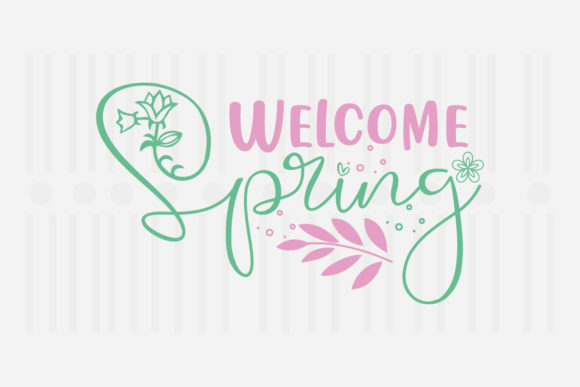
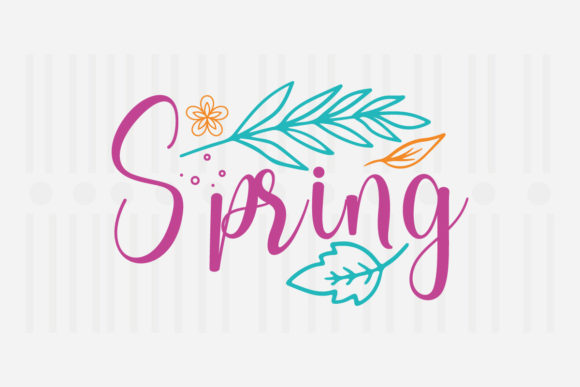
The immediate impression of Spring,spring Svg is one of lightness and renewal. The typography and layout suggest a casual, breezy aesthetic that aligns perfectly with seasonal transitions. For an embroidery designer, the "mood" of a design dictates its placement. This particular quote does not scream for attention with aggressive boldness; instead, it invites a softer touch. The clean lines and open spacing are crucial indicators. In embroidery, closed loops and tight kerning can lead to thread breaks or puckering. The visual personality here suggests that the design is forgiving, which is a significant advantage when working with varied fabric textures.
When I visualize this on a finished product, I see it fitting naturally into the lifestyle and home decor categories. It lacks the rigid structure of corporate branding, making it ideal for personalized gifts and boutique merchandise where warmth and approachability are key selling points.
Real-World Application: From Screen to Stitch
To truly test the viability of Spring,spring Svg, I imagined a specific real-life scenario: preparing a custom embroidered tote bag for a spring farmer’s market collection. Tote bags are notorious for their coarse weave and tendency to shift during stitching. A design with too much density would pull the fabric, creating unsightly wrinkles. Because this SVG offers easy color changes and comes in scalable formats like EPS and SVG, I can adjust the scale to fit a standard hoop without losing clarity.
In this scenario, the design would likely be converted into a combination of satin stitch for smaller elements and fill stitch for larger areas, depending on the digitizer’s interpretation. The simplicity of the quote allows for creative freedom. I could envision using a variegated thread to mimic the changing colors of spring foliage, leveraging the fact that the source file is 100% color changeable. This flexibility is vital for craft business owners who need to offer multiple variations without purchasing dozens of separate files.
Beyond tote bags, this design shines in custom apparel. Imagine it stitched onto the chest of a lightweight sweatshirt or the hem of a linen apron. The readability of the text remains high even at smaller sizes, which is essential for baby embroidery items where space is limited. For Etsy sellers, this versatility means one purchase can yield multiple product listings, from nursery decor to holiday gifts, maximizing the return on investment for the design asset.
Navigating Technical Challenges and Fabric Constraints
While the design is promising, practical experience dictates caution in certain areas. Not all fabrics behave the same way. When working with stretchy materials like jersey knits for t-shirts, the stability of the design becomes paramount. If the Spring,spring Svg is digitized with high stitch density, it may cause the fabric to tunnel or pucker. I recommend using a cut-away stabilizer for these projects to provide long-term support.
Another consideration is the surface curvature. Applying this design to caps or hats requires careful hooping and potentially a different digitizing approach than flat goods. The corners of any lettering in the quote need to be checked for potential thread buildup. If the original vector has sharp angles, the embroidery machine might struggle to turn cleanly, leading to messy corners. A skilled digitizer would round these slightly or use tie-in stitches to maintain cleanliness.
Dark fabrics present another challenge. If you plan to stitch this on navy or black fabric, you must ensure high contrast. The ability to easily change colors in the source file is a huge benefit here. However, remember that light threads on dark fabric may require an underlay stitch to prevent the background color from showing through, which adds to the stitch count and production time. Always test the design on scrap fabric first to gauge how the thread colors interact with the material texture.
Enhancing Brand Value and Customer Trust
For small shop owners and creative entrepreneurs, the quality of the design directly impacts perceived value. A crisp, well-executed embroidery project signals professionalism. When customers receive a personalized gift featuring Spring,spring Svg, the clarity of the stitches reinforces their trust in your brand. Sloppy edges or uneven tension can detract from the handmade charm, turning a premium product into a discount item.
Using high-quality graphics as the foundation for your embroidery files ensures that the final product looks intentional. Whether you are creating printable mockups for your online store or actual physical samples for craft fairs, the consistency of the design helps build brand recognition. Buyers engage more deeply with products that feel cohesive and thoughtfully designed. This SVG, with its clean aesthetic, supports that goal by providing a solid base that doesn’t fight against the medium.
Practical Notes for the Embroidery Designer
Before committing to a large production run, there are several steps I advise taking. First, confirm the licensing terms. While the product includes EPS and SVG files, ensuring you have the right to use them for commercial embroidery projects is non-negotiable. Check if the license covers digital resale or only finished physical goods.
- Test on Scrap Fabric: Always run a test stitch-out on the same type of fabric you intend to use for the final product. This reveals issues with tension and density.
- Check Hoop Size: Ensure the scaled design fits comfortably within your machine’s hoop, leaving enough margin for secure hooping.
- Review Stitch Density: If you are digitizing this yourself from the SVG, keep the density moderate to avoid stiffness, especially on garments.
- Contrast Testing: View the design in black and white mockups to ensure the shapes remain distinct without color reliance.
- Stabilizer Selection: Match your stabilizer to the fabric weight. Heavier fabrics may need less support, while delicate materials require careful backing.
In conclusion, Spring,spring Svg is a versatile asset for the modern maker. It bridges the gap between digital graphics and tactile Crafts, offering a reliable foundation for a wide range of embroidery projects. By understanding its strengths and respecting the technical limitations of machine embroidery, designers can create stunning, marketable products that resonate with customers. Whether you are an experienced embroiderer or a hobbyist just starting out, this design offers the flexibility and charm needed to succeed in today’s competitive handmade market.