Reviewing Happy Easter SVG for Embroidery Projects
As a designer who spends half my life digitizing and the other half stitching, I have learned that not every pretty graphic translates well to thread. When I first pulled up Happy Easter,Easter SVG, my initial reaction was one of cautious optimism. The design promises versatility, marketed as an Easter SVG Quote suitable for t-shirts, posters, and mugs. But for those of us in the embroidery world, the real question is always: how does this vector art behave when converted into a machine embroidery design?
I recently had a client request a batch of custom tote bags for a local spring boutique launch. They wanted something festive but not overly juvenile, something that would appeal to adults buying holiday gifts. This is where Happy Easter,Easter SVG entered my workflow. Having access to the source files in EPS and SVG formats at 300dpi is a significant advantage. It means I am not working with a low-resolution raster image that pixelates when scaled. Instead, I have clean, scalable vectors that allow me to manipulate the shape and layout before I even open my digitizing software.
First Impressions and Visual Personality
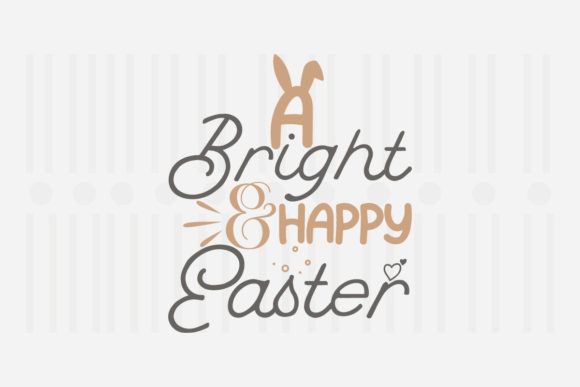
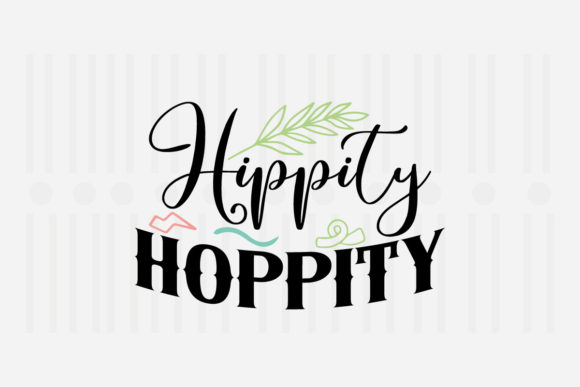
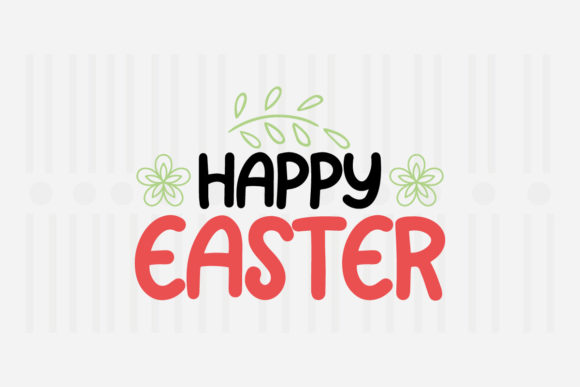
The mood of this design is light, airy, and celebratory. The typography and accompanying graphical elements suggest a modern, hand-lettered aesthetic that fits perfectly within current trends for handmade products. For an embroidery project, this visual personality is crucial. It does not scream "mass-produced"; rather, it invites a personal touch. The layout is balanced, which is essential for maintaining structural integrity during stitching. If a design is too lopsided or has extreme negative space, it can cause hoop burn or fabric distortion, especially on stretchy materials like sweatshirt fleece.
One of the standout features mentioned in the product description is the ability to change colors easily. In the context of embroidery, this is vital. A design that looks great in black and white might fail in color if the contrast is poor. I tested the SVG by swapping out the default colors for pastel threads—soft mint, pale yellow, and blush pink. The lines remained distinct, and the shapes held their definition. This suggests that the underlying geometry of the Happy Easter,Easter SVG is robust enough to handle various thread color combinations without losing clarity.
Real-World Application: From Screen to Stitch
Let’s talk about practical application. I decided to use this design for a set of linen tea towels and a few canvas tote bags. Linen is tricky; it has a loose weave that can swallow small details. Because the source file is high quality, I was able to adjust the scale slightly larger than intended for the digital mockup to ensure visibility on the textured fabric. The result was crisp. The satin stitches used for the lettering lay flat, and the fill stitches for any decorative elements did not bunch up.
For apparel, such as a baby onesie or a adult sweatshirt, the approach changes. Here, stitch density becomes the enemy. If you simply auto-digitize a complex SVG, you risk creating a stiff, cardboard-like patch on soft fabric. With Happy Easter,Easter SVG, I recommend simplifying the internal details. Use running stitches for fine outlines instead of thick satin columns. This preserves the delicate feel of the holiday embroidery while ensuring the garment remains comfortable to wear. The design’s simplicity works in its favor here, allowing for a lighter touch that respects the fabric texture.
Navigating Challenges and Fabric Constraints
While this graphic is versatile, it is not without its challenges. Small hoop sizes require careful planning. If you are stitching on a cap or a curved surface, the center of the design must be perfectly aligned. The text in the quote needs to be legible from a distance, so avoid shrinking it below a certain threshold. On dark fabrics, you must consider underlay stitches and potentially use a lighter top thread to ensure the message pops. I always test on scrap fabric first, checking how the thread colors interact with the background. A design that looks vibrant on white cotton might disappear on navy blue fleece if the contrast isn't managed properly.
Another consideration is the type of stabilizer. For woven fabrics like cotton or linen, a cut-away stabilizer provides long-term durability, which is essential for items that will be washed frequently, such as kitchen towels or aprons. For knit fabrics like t-shirts, a tear-away or wash-away stabilizer might be preferable to maintain softness. Always confirm the stability of your base material before committing to a full production run.
Commercial Value and Brand Consistency
For Etsy sellers and small shop owners, the perceived value of a finished product is tied directly to its professionalism. A sloppy stitch-out can ruin customer trust. Using a high-quality source file like Happy Easter,Easter SVG allows for precise digitizing, resulting in a polished final product. This attention to detail enhances brand consistency. Whether you are selling personalized gifts or boutique merchandise, the clarity of the design reflects the quality of your craft business.
Moreover, the flexibility of the file format supports diverse revenue streams. You can use the same design for digital printable mockups to market your physical goods, or license it for commercial embroidery projects if the terms allow. Always check the specific licensing agreement included with the download. Knowing whether you can sell the finished embroidered item or if there are restrictions on digital redistribution is critical for legal compliance.
Practical Designer Notes
Before you load this design into your machine, keep these tips in mind:
- Test on Scrap: Never stitch a new design directly on your final product. Use a similar fabric and stabilizer combination to check tension and density.
- Check Contrast: View the design in grayscale. If the elements blend together, adjust your thread colors for better separation.
- Verify Hoop Size: Ensure the scaled design fits comfortably within your hoop, leaving enough margin for the frame to grip the fabric securely.
- Inspect Details: Zoom in on the SVG file. Look for tiny anchor points or overlapping paths that might cause needle breaks or thread jams.
- Consider the End Use: Will this item be washed? Ironed? Worn daily? Adjust your stitch type and density accordingly to ensure longevity.
In conclusion, Happy Easter,Easter SVG is a strong contender for spring-themed crafts. It offers the flexibility needed for both novice hobbyists and experienced professionals. By respecting the limitations of embroidery machinery and understanding the nuances of fabric behavior, you can transform this digital asset into a stunning tangible product. Whether you are creating a single personalized gift or a batch of inventory for your online store, this design provides a solid foundation for creative expression.