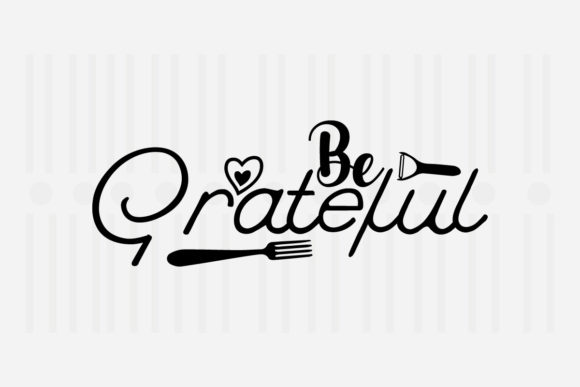
Reviewing Be Grateful, Kitchen SVG for Embroidery Projects
As a designer who spends half my life staring at digitized files and the other half watching needles punch through fabric, I have learned that not every graphic translates well to thread. When I first opened the Be Grateful, Kitchen SVG, my initial reaction was one of cautious optimism. The phrase itself carries a warm, domestic weight, perfect for the heart of the home. However, moving from a vector graphic on a screen to a tactile embroidery project requires a critical eye. This review breaks down how this specific design performs when taken out of the digital realm and into the hoop.
First Impressions and Visual Personality
The mood of this design is immediately clear: it is inviting, rustic, and grounded. For those of us in the Crafts and Graphics space, we know that typography-driven designs live or die by their kerning and stroke weight. The "Be Grateful" layout appears balanced, with a visual personality that suggests comfort rather than high-fashion minimalism. This makes it an ideal candidate for projects where the goal is to evoke a sense of welcome.
What stands out is the simplicity. In embroidery, complexity can often lead to frustration. A design that relies on clean lines and open spaces allows the texture of the thread to shine without becoming a muddy mess of stitches. The source files included are EPS and SVG at 300dpi, which indicates a high-resolution starting point. While these are primarily vector formats used for cutting or printing, they serve as an excellent blueprint for digitizing or for use in hybrid projects where you might print a background and embroider over it.
Real-World Application: The Kitchen Towel Test
To truly evaluate a design, you must imagine it on a specific product. I envisioned this design on a set of linen kitchen towels. This is a classic handmade product that sells well year-round. The challenge with towels is the looped texture of the terry cloth or the weave of linen. If the lettering is too thin, it gets lost. If it is too dense, the towel becomes stiff.
Using the Be Grateful, Kitchen SVG as a base, I considered how it would look as a sweatshirt embroidery piece for a cozy autumn collection. The theme fits perfectly with the current trend of mindful living and slow home aesthetics. For an Etsy seller or small shop owner, this design offers versatility. It is not just for kitchens; it works beautifully on tote bags, aprons, and even pillow covers. The ability to change colors easily, as noted in the product description, is a significant advantage. You can swap from a crisp white thread on navy denim to a sage green on cream canvas, adapting the same file for different seasonal collections.
Technical Considerations for Stitching
Here is where the rubber meets the road. Since this product provides SVG and EPS files, it is crucial to understand that these are not native machine embroidery formats like PES or DST. You will need to digitize this design or use software that converts vectors to stitch files. This is both a blessing and a curse. It gives you total control over stitch density, satins stitch width, and underlay, but it requires skill.
If you are digitizing this yourself, pay close attention to the corners of the letters. Sharp angles in SVGs can translate to jagged edges in embroidery if not smoothed out properly. I recommend using a combination of fill stitch for larger areas if the font has thick strokes, and running stitch or narrow satin columns for thinner elements. Always test your digitized version on scrap fabric first. Check how the thread pulls on stretchy fabrics versus stable wovens.
For those who are not digitizers, this SVG is perfect for creating printable mockups or vinyl decals. You can use the "Ready to print" aspect to create layered designs. Imagine a printed watercolor background with the "Be Grateful" text embroidered over it in a contrasting thread color. This hybrid approach adds depth and perceived value to your finished product.
Navigating Fabric and Hoop Constraints
Not every surface is friendly to every design. When using this graphic on curved surfaces like caps, be mindful of the distortion. The horizontal spread of the text might warp if the cap panel is small. In such cases, consider breaking the design into two lines or reducing the overall size. For baby embroidery items, ensure that the stitch count is low enough to keep the garment soft against sensitive skin. High-density stitching can feel scratchy and rigid.
Dark fabrics present another challenge. If you plan to stitch light thread on dark fabric, you must use proper stabilizer to prevent puckering. A cut-away stabilizer is often best for garments that will be washed frequently, while tear-away works for decorative items like wall hangings. Always check thread color contrast. A low-contrast combination might look elegant in person but disappear in photos, which hurts your online sales.
Commercial Viability and Brand Consistency
For the commercial embroidery professional, consistency is key. This design’s clean aesthetic allows it to fit into various brand identities, from modern farmhouse to minimalist chic. It enhances customer trust because it looks intentional and professional. When buyers see clean lines and well-executed text, they perceive higher quality.
However, before selling any custom apparel or personalized gift made with this design, you must confirm the licensing terms. The product description mentions it is for crafts and graphics, but commercial rights for finished goods can vary. Always read the license included with your download. Assuming you have the right to sell finished items, this design is a strong contender for holiday gifts. "Gratitude" is a timeless theme that resonates during Thanksgiving and the winter holiday season.
Final Verdict for Makers and Designers
The Be Grateful, Kitchen SVG is a versatile asset for your creative toolkit. It is not just a file; it is a starting point for storytelling through thread. Whether you are creating an embroidered patch for a boutique brand or a simple tote bag design for a craft fair, this graphic holds up well under scrutiny. Its strength lies in its adaptability and emotional resonance.
Remember to treat the SVG as a blueprint. Invest time in proper digitizing or hybrid application techniques. Test on various fabric textures, adjust your hoop size accordingly, and never underestimate the power of a good stabilizer. By approaching this design with a designer’s eye and a maker’s hands, you can create products that are not only visually appealing but also durable and meaningful. This is what separates a generic item from a cherished handmade product.