Reviewing Hello Easter SVG for Embroidery Projects
As a designer who spends half my life staring at digitized files and the other half pulling thread through fabric, I have learned that not every graphic translates well to needlework. When I first encountered Hello Easter,Easter SVG, my initial reaction was cautious optimism. The description promises versatility—t-shirts, posters, mugs—but as an embroidery specialist, I look past the print-ready claims to see how the lines will behave under a needle. This piece falls squarely into the Crafts and Graphics categories, but its true value lies in how it performs when stitched onto tangible goods.
First Impressions: Mood and Visual Personality
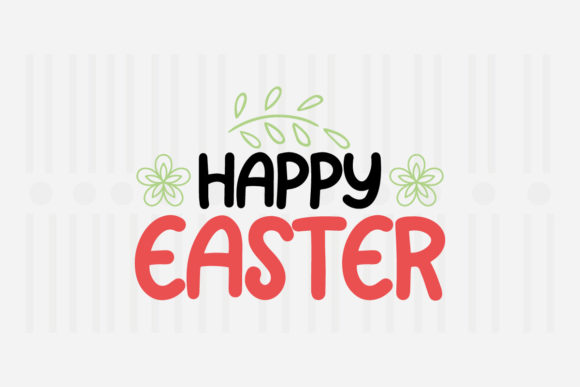
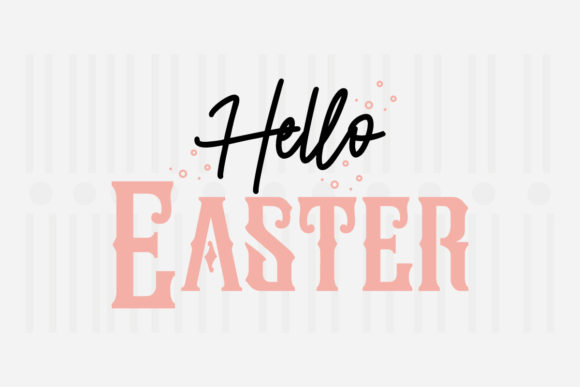
The design carries a cheerful, welcoming energy that is essential for seasonal merchandise. "Hello Easter" is a phrase that demands legibility and warmth. Visually, the layout appears balanced, avoiding the clutter that often plagues holiday-themed assets. For an embroidery project, this simplicity is a virtue. Complex, overly dense graphics can turn into a muddy mess of thread breaks and puckering, especially on smaller items. This design’s clean lines suggest it would stitch out with clarity, maintaining its charm without requiring excessive satin stitching that might raise too high off the fabric surface.
The mood is lighthearted yet professional. It does not scream for attention with chaotic elements; instead, it invites the viewer in. This makes it ideal for boutique branding where subtlety often sells better than loudness. Whether you are creating a personalized gift for a neighbor or stocking your Etsy seller shop with spring inventory, the visual personality of this asset feels appropriate for a wide demographic, from young families to modern home decor enthusiasts.
Real-World Application: The Tote Bag Test
To truly evaluate Hello Easter,Easter SVG, I imagined a specific real-life scenario: preparing a custom embroidered tote bag for a local farmer’s market spring launch. Tote bags are typically made from canvas or heavy cotton, fabrics that have a distinct texture. A design that looks crisp on a screen can sometimes get lost in the weave of a coarse fabric.
In this context, the design’s structure works in its favor. Because the source files include EPS and SVG formats, I can easily adjust the scale before digitizing. For a tote, I would likely enlarge the design to ensure the lettering remains readable from a distance. The "easy change color" feature mentioned in the product details is crucial here. I could test the design in a classic navy thread on natural canvas for a rustic look, or switch to pastel pinks and greens for a softer, nursery-friendly vibe. The ability to modify colors digitally before sending the file to the embroidery machine saves hours of trial and error.
Performance on Different Fabrics and Items
Beyond tote bags, this design shows promise for various custom apparel and home goods. However, each substrate presents unique challenges.
- Sweatshirts and Hoodies: These garments are thick and often fleecy. A design like this needs sufficient size to prevent the stitches from sinking into the pile. Using a cut-away stabilizer would be non-negotiable here to maintain shape after washing.
- Baby Clothes: For baby embroidery, softness is key. I would recommend using a running stitch or light fill stitch rather than dense satin columns to keep the back of the garment comfortable against sensitive skin. The playful nature of the quote fits perfectly here, but scale must be reduced carefully to avoid losing detail.
- Caps and Hats: Curved surfaces are tricky. If applying this to a cap, the centering must be precise. The text should not wrap too far around the curve, or it will distort visually. A smaller hoop size might require simplifying any tiny decorative elements if they exist within the SVG paths.
- Kitchen Towels: These are thin and prone to puckering. A tear-away stabilizer is essential, and the stitch density must be kept low. The design’s open spacing helps here, allowing the fabric to breathe between stitch areas.
Technical Considerations for Designers
While the product description highlights that the file is "Ready to print" and includes source files, embroidery requires an extra step: digitizing. You cannot simply plug an SVG into an embroidery machine. You must convert it into a stitch file compatible with your hardware. This is where the quality of the original vector matters. Clean paths in the EPS or SVG file make the digitizing process smoother, resulting in fewer unnecessary jumps and trims.
I advise checking the stitch density during the digitizing phase. Since the design is described as "100 Color Changeable," you have the freedom to experiment. However, more colors mean more stops and starts, which increases production time. For a small shop product meant for quick turnover, limiting the palette to two or three thread colors can significantly improve efficiency without sacrificing visual appeal.
Another critical factor is contrast. Before committing to a full run, test the design in black and white mockups. If the design relies on subtle color shifts to define its shape, it may vanish on dark fabrics. Ensure that the thread colors you choose stand out against the fabric texture. For dark garments, consider using a lighter underlay or choosing high-contrast thread shades to maintain readability.
Commercial Viability and Brand Trust
For commercial embroidery professionals, consistency is everything. Using a high-quality base graphic like Hello Easter,Easter SVG helps maintain brand consistency across different products. Whether it is a patch, an apron, or a pillow cover, the design retains its core identity. This reliability builds customer trust. Buyers can recognize your style, and the professional finish of a well-stitched design reinforces the perceived value of the handmade product.
Moreover, the versatility of this asset allows for diverse marketing angles. You can create printable mockups for your online store showing the design on mugs and posters, while simultaneously offering the embroidered version on textiles. This cross-promotion maximizes the utility of a single purchase, making it a smart investment for creative entrepreneurs who need to stretch their design budgets.
Final Verdict and Practical Advice
Before you launch your next holiday embroidery collection, take a moment to validate the technical specs. The product notes mention EPS and SVG files are included, which is excellent for editing. However, always confirm the licensing terms. Ensure that the license covers commercial use for physical goods if you plan to sell finished items. Some licenses restrict digital resale, so read the fine print.
My recommendation is to start small. Stitch a sample on scrap fabric similar to your final product material. Check for puckering, thread breaks, and overall aesthetic balance. Adjust the pull compensation and density as needed. Once perfected, Hello Easter,Easter SVG can become a staple in your spring lineup, offering a blend of festive charm and professional polish that customers appreciate. It is a solid choice for designers who value flexibility and clean execution in their design assets.